How to Buy Music Gear That Fits Your Studio and Your Budget
Every musician remembers the first time they walked into a shop with enough cash to actually buy music gear instead of just browsing. I do. I was twenty-one, had saved for months, and I stood in front of a wall of guitars knowing I was about to make a choice that would shape my sound for years. That kind of moment never really loses its weight, whether you are buying your first interface or adding a Neumann U87 to a room that already has too many microphones.
The hard part is not finding gear. The hard part is finding the right gear for your actual situation, your budget, and your workflow. The market is flooded with options, and every brand from Gibson to Beyerdynamic wants you to believe their product is the one missing piece. So how do you cut through the noise and spend your money where it matters?
Know Your Room Before You Know Your Gear
I have watched friends drop thousands on a Universal Audio Apollo Twin, plug it into a laptop in an untreated bedroom, and wonder why their recordings still sound thin. The truth is that the room matters more than most of the gear you can buy. A Shure SM58 through a cheap interface in a well-treated room will sound better than a Neumann U87 in a tile bathroom. Before you buy music gear, especially microphones and monitors, think about your space. Acoustic treatment is not glamorous, but it is the difference between a mix that translates and one that only sounds good in your own headphones.
Start with the basics. A few broadband absorbers at first reflection points, a rug on a hard floor, and some bass traps in the corners can cost less than a single high-end mic. Once your room is under control, you will hear what your gear actually does. That is the point where your spending becomes effective.
Interfaces and Microphones: Where to Put Your Money First
If you are building a studio from scratch, your interface is the foundation. It is the thing that converts sound into data, and a bad one will choke everything that passes through it. I have used cheap interfaces that added noise to every take, and I have used an Apollo Twin that made even a mediocre vocal chain sound polished. You do not need to spend Universal Audio money to get started, but do not buy the absolute cheapest option either. Look for something with clean preamps, low latency, and enough inputs for your immediate needs. A Focusrite or a used RME can carry you for years.
Microphones are more personal. The AKG C414 is a workhorse that lives on countless sources: vocals, acoustic guitar, overheads, even guitar cabinets. The Shure SM58 is practically indestructible and sounds good on almost any live vocal. If you are recording in a less-than-perfect room, a dynamic mic like the SM58 or a Sennheiser MD421 will reject more room sound than a large-diaphragm condenser like the Neumann U87. That is a practical trade-off that beginners often overlook. You do not need the most expensive mic. You need the mic that fits your source and your space.
Instruments and Synthesizers: The Tactile Choice
When it comes to instruments, the conversation changes. Software instruments have become incredibly good, but nothing replaces the feel of a real instrument in your hands. I have played a Moog Synthesizer that responded to every tiny turn of a knob in a way that no plugin ever has. The Roland TR-808 is legendary not because it is technically perfect but because its sound is unmistakable. If you make electronic music, hardware synths and drum machines can unlock ideas that a mouse and keyboard never will.
That said, hardware costs money and takes space. Before you buy a Moog Synthesizer or a TR-808, ask yourself whether you actually need the tactile experience or if you just want the sound. If it is the sound, there are excellent emulations in software. If it is the feel, the workflow, the unpredictability, then hardware is worth every dollar. I have seen producers spend years collecting gear they barely touch because they bought the hype instead of the tool that fit their process.
Software: The Tools That Never Go Out of Date
Digital audio workstations are the backbone of modern music production. Ableton Live is built for electronic music and live performance. Logic Pro is deep and polished, especially for songwriting and mixing. FL Studio is popular among beat makers for its pattern-based workflow. Pro Tools remains the standard in professional studios for editing and mixing. None of these is objectively best. They are different workflows. Pick the one that makes you want to make music, because the best DAW is the one you actually use.

Plugins are another rabbit hole. You can spend thousands on analog emulations, but the stock plugins in most modern DAWs are good enough to make professional records. I have mixed entire songs using only Logic Pro stock plugins and been happy with the result. The real value in third-party plugins is often in the workflow and the character they bring. A Universal Audio emulation of a classic compressor can speed up a mix because you already know how the hardware behaves. But do not feel pressured to buy music gear plugins just because someone online says you need them. Your ears and your skill matter more than your plugin list.
Where to Shop: The Ecosystem of Music Gear
When you are ready to buy music gear, you have more options than ever. Guitar Center has physical stores where you can try gear before you buy. Sweetwater offers excellent customer service and free technical support that can save you hours of troubleshooting. Thomann is a European giant with competitive pricing and a huge catalog. And Reverb has become the go-to marketplace for used gear, which is often the smartest way to stretch your budget.
I buy used gear whenever I can. A Fender guitar or a Gibson that has been played for a few years is usually broken in, settled, and often cheaper than new. The same goes for microphones, outboard gear, and even some synthesizers. Reverb makes it easy to compare prices and check seller ratings. Just factor in shipping costs and return policies. A deal is only a deal if the gear arrives in the condition you expected.
Accessories and Small Items That Make a Big Difference
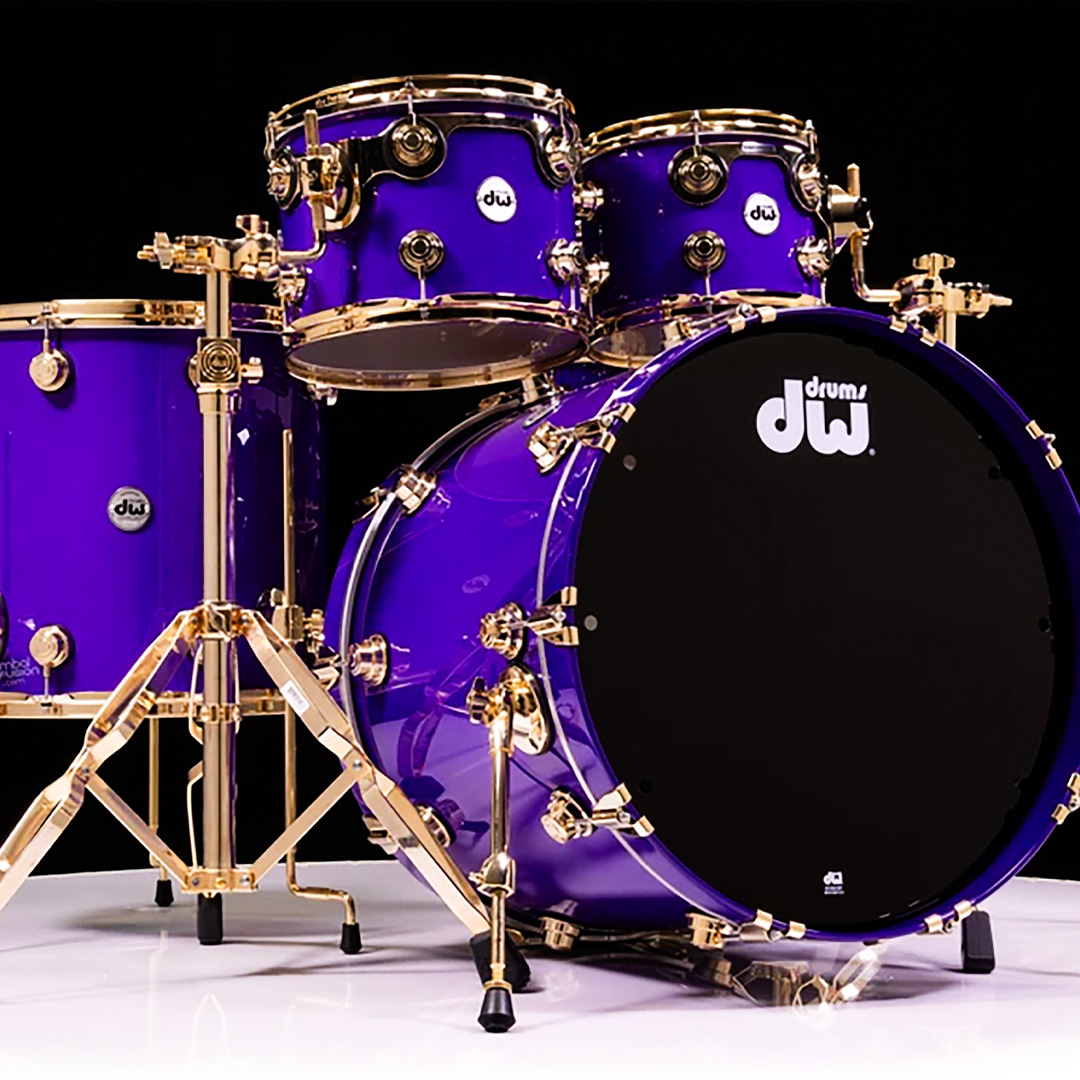
It is easy to overlook the small things, but they add up. A good set of headphones matters as much as your monitors. Beyerdynamic makes some of the most comfortable and accurate headphones for mixing. Sennheiser is another reliable choice. Cables fail more often than any other piece of gear, so buy quality ones from brands like Mogami or Monster. And if you play drums or work with drummers, a set of Zildjian cymbals can change the sound of an entire kit. Do not spend all your budget on the big-ticket items and leave yourself with flimsy cables and uncomfortable headphones.
The Real Cost: Time and Learning Curve
The biggest mistake I see people make is thinking that buying better gear will automatically make their music better. It will not. A beginner with a Gibson through a cheap amp will still sound like a beginner. A seasoned engineer with a Shure SM58 and a basic interface can make a record that moves people. Gear is a tool. It removes limitations, but it does not create talent. The time you spend learning your DAW, practicing your instrument, and training your ears will pay off more than any purchase.
That is not to say gear does not matter. It does. The right tools can inspire you, speed up your workflow, and let you capture sounds that were previously out of reach. But the best strategy is to buy what you need now, learn it deeply, and only upgrade when you can articulate exactly why the current tool is holding you back. That is how you build a studio that works, not just a collection of expensive boxes.